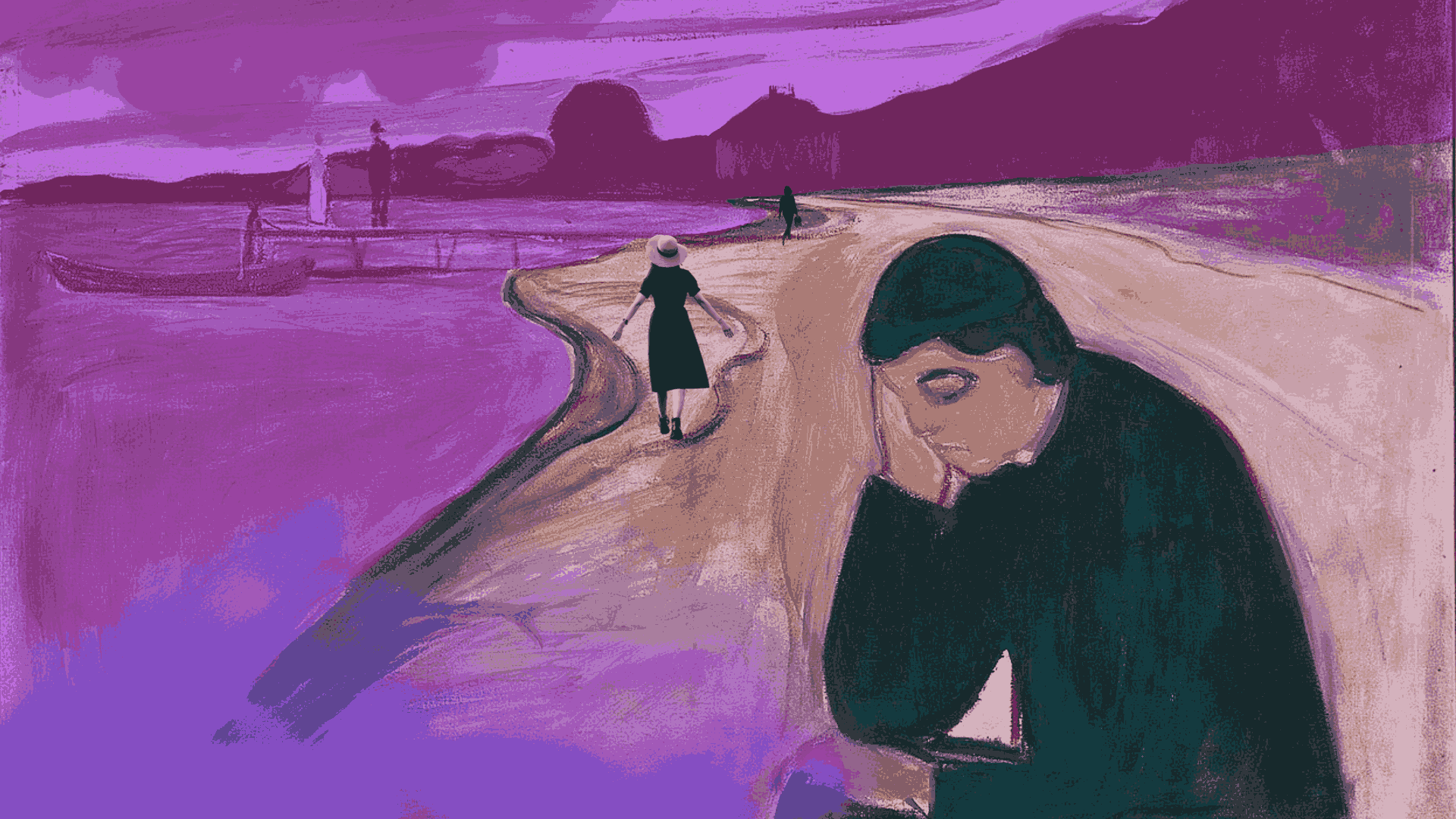
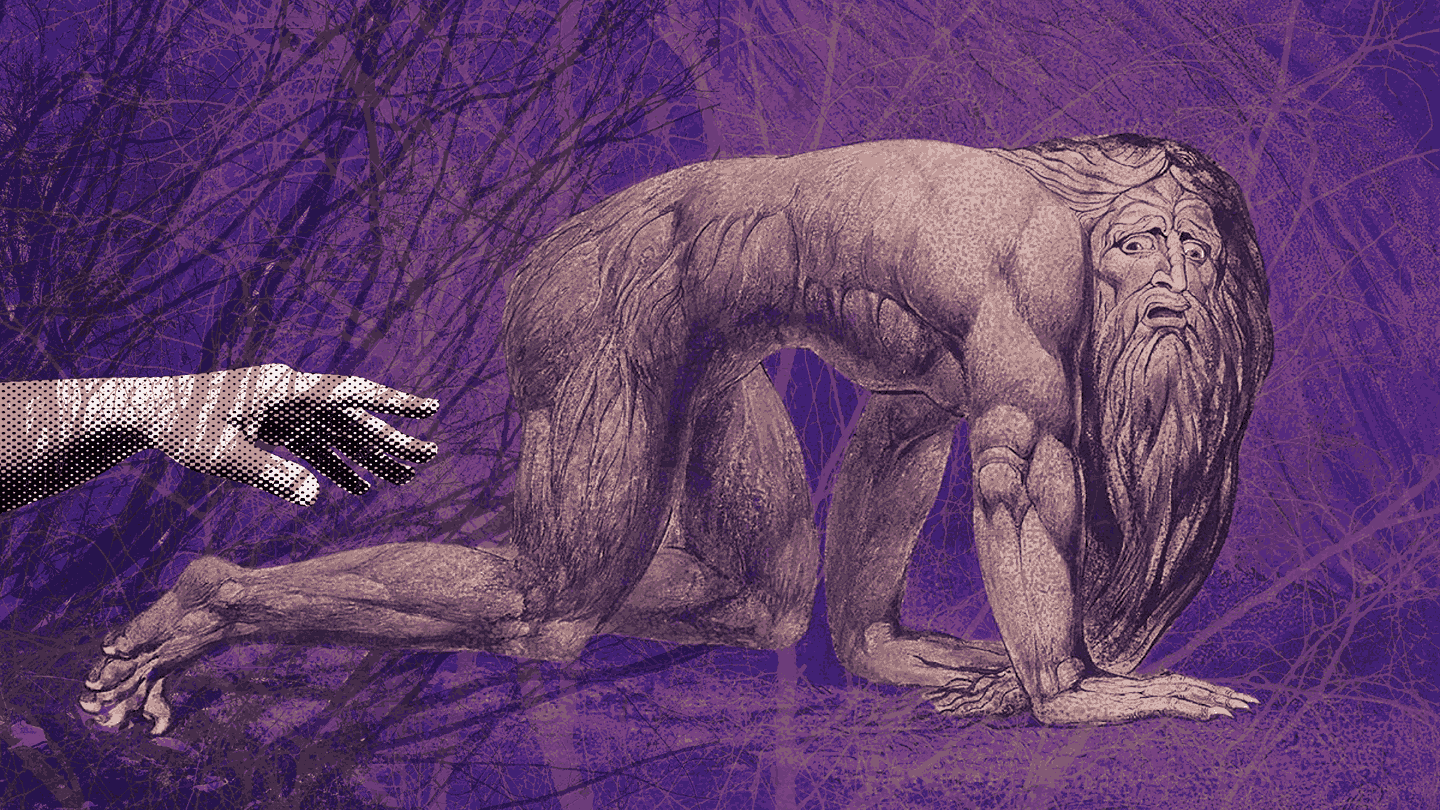
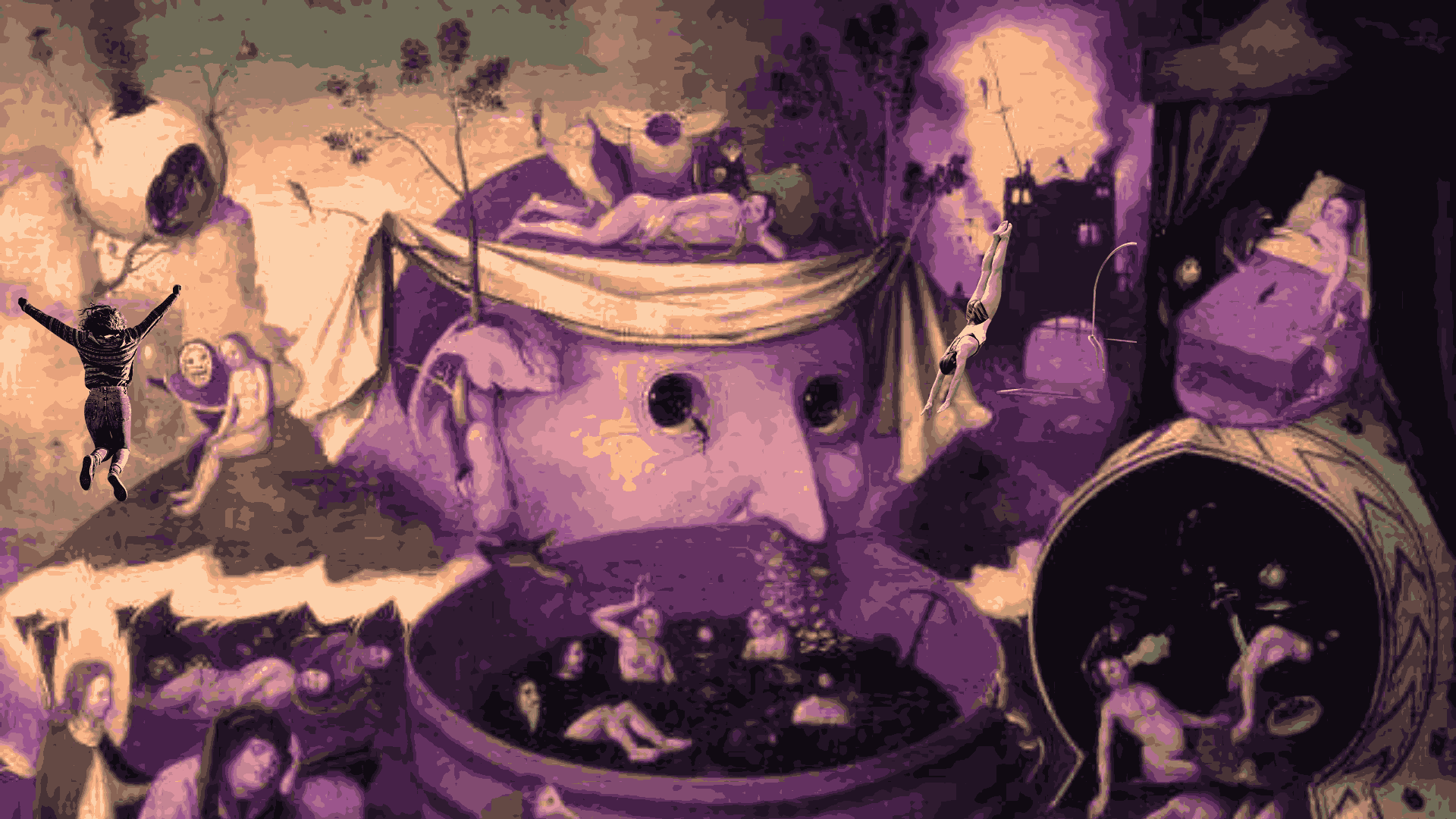
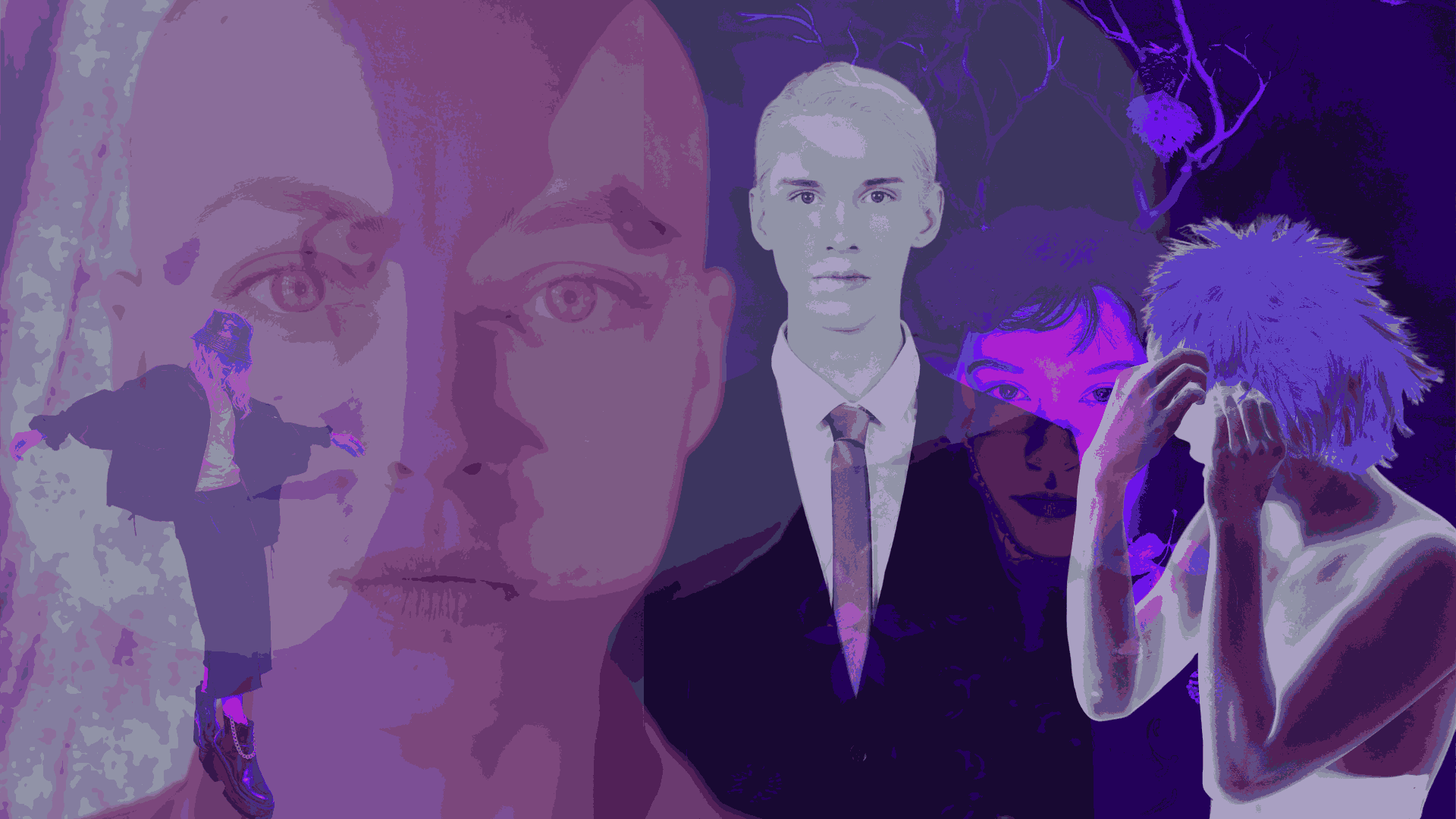
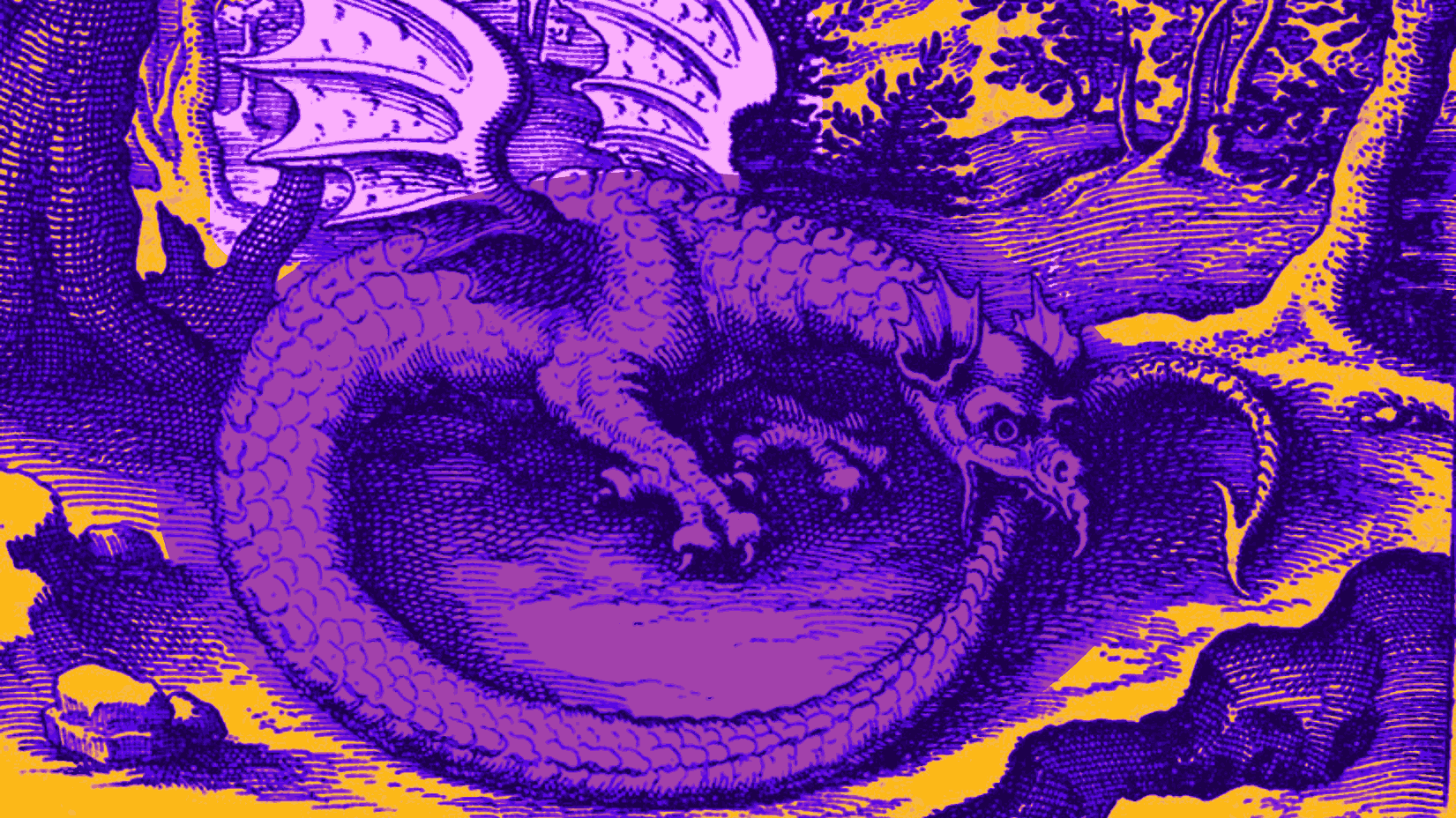
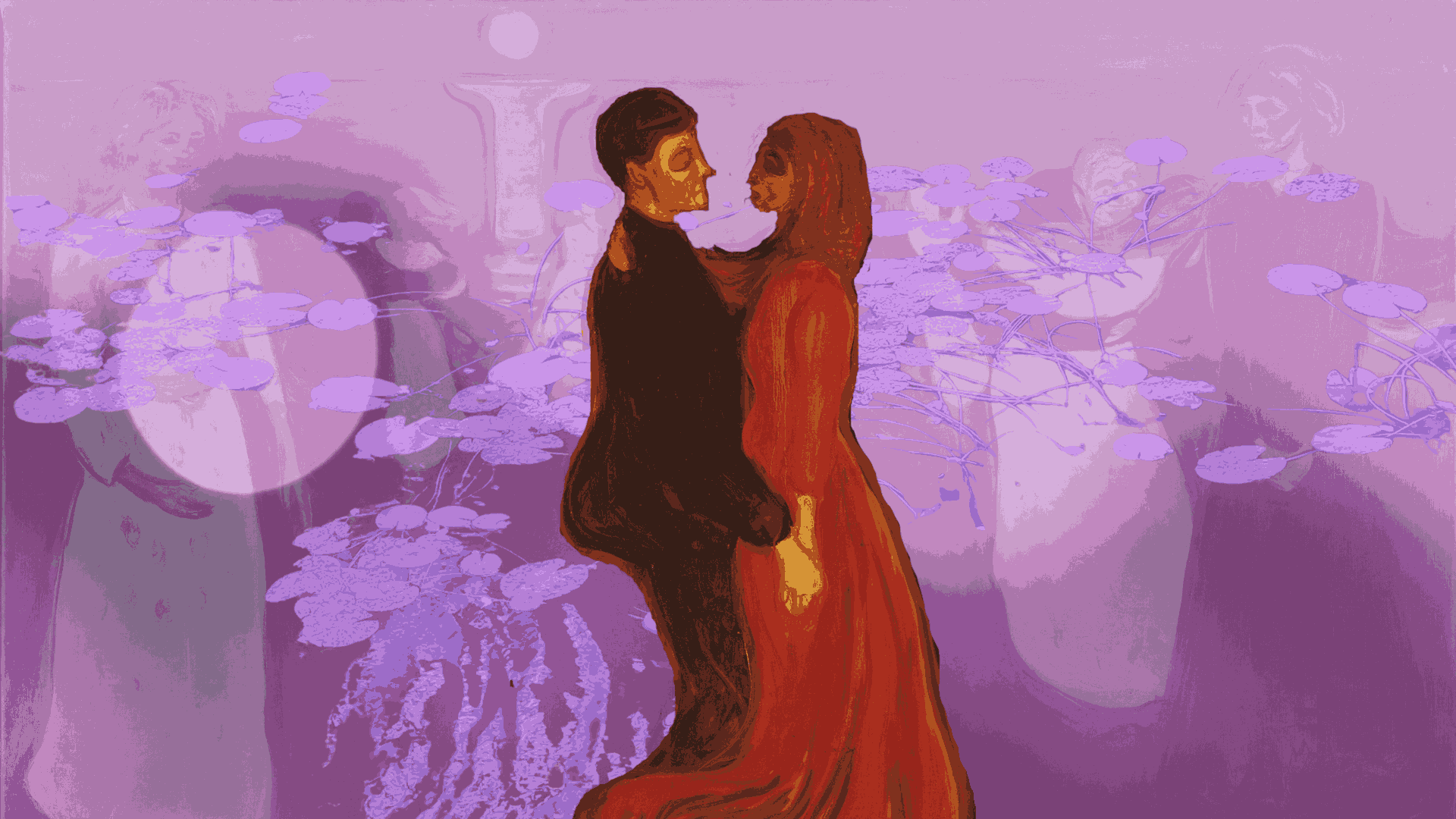
The union of opposites is a central idea in Jungian psychology, and a recurring theme in symbolic and intuitive art. According to Jung, the psyche is structured through dualities: light and shadow, masculine and feminine, conscious and unconscious, order and chaos. Creativity becomes a way of holding and reconciling these tensions. This union doesn’t erase difference: it holds paradox, a symbolic third space where something new can emerge. Jung called this the ‘transcendent function’: the place where contradiction is not solved, but transformed. Artists have long worked from this space, consciously or not, as they try to express what lies beyond binaries. The work becomes a vessel for integration.