
Describe, Analyse, Evaluate

Understanding the difference between
description, analysis, and evaluation is
essential for developing strong writing
in IBDP Visual Arts. These three steps
move students from observing what
they see, to explaining how it works, to
judging why it matters.
Academic Integrity + The Use of AI
Authenticity is a cornerstone of the IB Visual Arts course. Students must submit original work that reflects independent thought, ethical engagement with research, and personal voice. As AI tools become more accessible, it is essential that students learn to use them responsibly, never as a substitute for their own authorship.
Writing the Rationale

The Rationale (RA for SL / SRA for HL) is a concise text accompanying the student’s body of resolved artworks. It provides insight into the conceptual intentions, technical and stylistic choices, and coherence of the selected works. A strong rationale clearly justifies selection choices, connects works through themes, and explains how artistic intent evolved.
Writing Reflections
Strong reflections are essential for deepening artistic comprehension & refining creative practice. They help students synthesize their artistic inquiry, experimentation, & decision-making, enabling them to articulate connections between concept, technique, & meaning.
Word Limits

The IB Visual Arts course requires students to communicate their artistic inquiry and analysis effectively within strict word limits. Writing concisely whilst ensuring depth and clarity is crucial for higher marks.
This card provides strategies for both teachers and students to refine written work and meet IB expectations efficiently.
Visual Mapping Tools
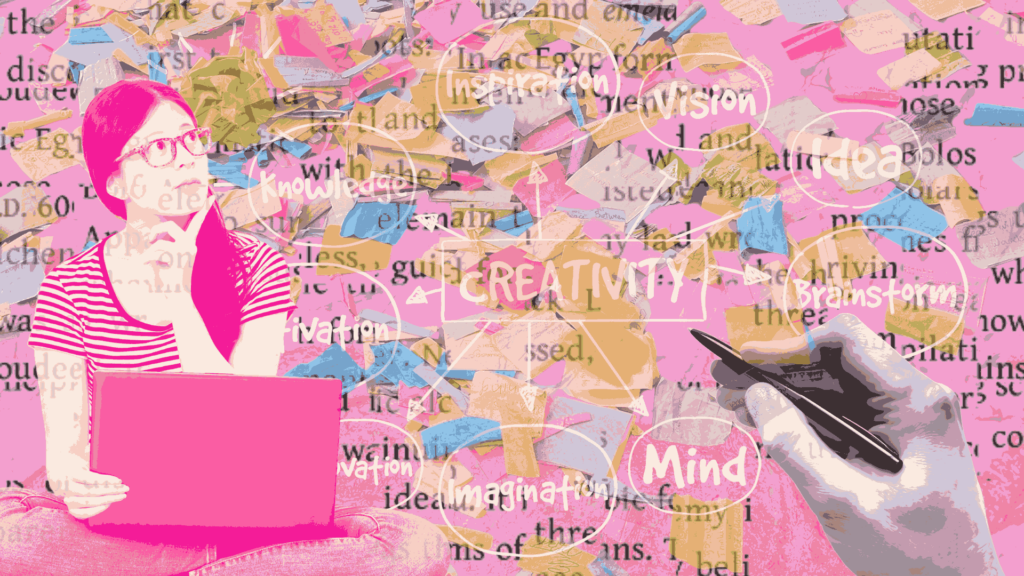
Visual mapping tools help students organise their ideas, research, and artistic inquiry in a structured and visually engaging way. These tools can help students develop connections between concepts, identify themes, and track artistic growth over time.
Visual Arts + Theory of Knowledge
Theory of Knowledge (ToK) asks: how do we know what we know? For students of Visual Arts, this is not an abstract question – it is embodied, visual, intuitive, and emotional. Whilst Visual Arts teachers may not formally teach ToK, the art classroom is inherently epistemological.
Visual Arts + Ethics

Ethical considerations in art go far beyond avoiding plagiarism – they ask students to think critically and care deeply. What does it mean to create with integrity? How do we represent others, reference the world, or speak about trauma, culture, and identity?
Visual Arts + Extended Essay
The Extended Essay (EE) in Visual Arts provides students with the opportunity to engage in independent, research- driven inquiry into a topic related to the visual arts. It allows students to explore historical, cultural, technical, or theoretical aspects of art while developing their analytical and academic writing skills.
Visual Arts + CAS

Creativity, Activity, Service (CAS) is a core component of the IB Diploma Programme that encourages students to engage with the world beyond academic performance. Visual Arts can serve as a powerful bridge between personal expression and community engagement.