
Describe, Analyse, Evaluate

Understanding the difference between
description, analysis, and evaluation is
essential for developing strong writing
in IBDP Visual Arts. These three steps
move students from observing what
they see, to explaining how it works, to
judging why it matters.
Returning the Form
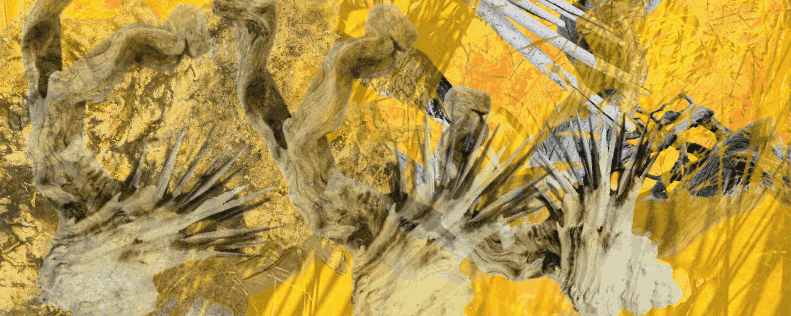
This project completes the thread. You’ll
return your form to nature — not to finish it,
but to offer it. Something else may emerge.
Your task is to follow and respond.
Becoming Form

This project brings your vision into physical
space. Inspired by nature, memory, and
imagination, you’ll sculpt a hybrid form that
embodies your inquiry and your relationship with the living world.
Composing with Intention

This project invites you to gather, combine, and compose. By listening closely to the work, you begin to shape a personal response to the world you want to see and protect.
Shape + Surface

A celebration through observation. Isolate shapes from your drawings and explore them through playful printing and painting. It’s about finding beauty and energy in what you’ve already seen.
Four Ways of Seeing

In this project, you’ll find one natural form and observe it through four evolving stages of perception. From realism to intuition, you’ll explore how deeper seeing leads to deeper understanding.
Mapping Possibility

This project begins your journey by exploring one key question: what kind of world do you want to help create? You’ll gather visual material to reimagine our future with nature.
Embodied Form

Transform previous explorations into a symbolic form or structure that can stand alone or integrate into your existing narrative.
Reassembled Narratives

Gather fragments from previous works such as text, drawing, print, fabric, and begin to weave them into a layered, symbolic whole. This is a space for reflection, arrangement, and intuition: assembling meaning from what has been made, discovered, and felt so far.
Drawing as Memory

Use drawing to respond to your object through touch, memory, and layered material. Draw onto fabric, pages, or your previous work. Let your mark-making be instinctive, symbolic, and textural, more about presence than perfection.